Why Plant Leaves Turn Yellow and How to Fix Them
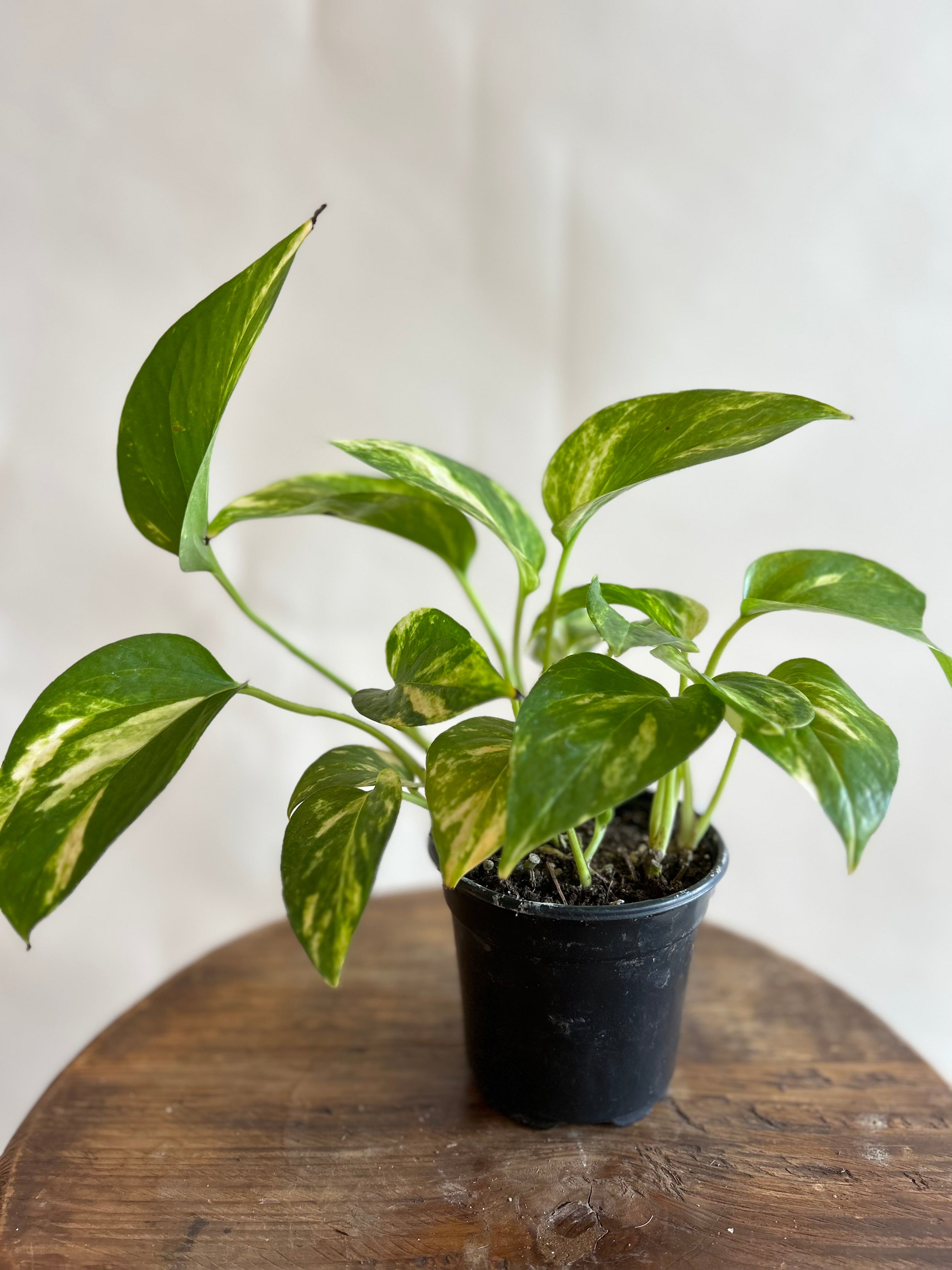
Yellow plant leaves usually mean your plant is stressed about water, sun, or food. You walk over to your potted pothos on a Tuesday morning, and there it is. One bright yellow leaf sticking out from the healthy green vines.
Most of the time, yellow leaves happen because the roots get too much water or not enough light. Fixing the problem takes a few days of watching your plant and tweaking your routine. If you catch it early, your plant will bounce back with fresh green growth by next month.
Are You Giving Your Plant Too Much Water?
Too much water is the top reason leaves lose their bright green color. When soil stays wet like soup, roots cannot breathe. They start to rot, and the lower leaves turn a soft, pale yellow first.
I remember wet roots ruining my first monster indoor fern five years ago. I watered it every Monday like clockwork, even when the dirt felt damp. The bottom five leaves turned yellow in two weeks because the roots were drowning. Now, I push my finger two inches down into the dirt before grabbing the watering can.
If the soil feels wet and sticks to your skin, wait three more days. If the dirt is dry and dusty, give your plant a deep drink until water runs out the bottom holes. You can check our simple guide on watering house plants correctly to build a safe schedule for your home.
Always check your pots for drain holes. A pot without holes traps water at the bottom, which turns leaves yellow fast. If your favorite ceramic pot has no hole, keep your plant in a plastic nursery pot inside it. Lift the inner pot out when you water, let it drain in the sink for 20 minutes, then set it back inside.
Is Your Plant Thirsty and Drying Out?
Underwatering also turns leaves yellow, but they feel very different. Instead of soft and floppy, thirsty leaves turn dry, crispy, and yellow at the edges. The whole plant might droop down toward the table.
Think about a potted basil plant sitting on a sunny windowsill in July. If you skip water for three hot days, the dirt shrinks away from the edges of the pot. The lower leaves turn yellow and drop off to save water for the top stem.
To fix dry soil, water does not always soak in right away. Hard, dry dirt lets water run down the inside of the pot and straight out the bottom without touching the roots. Set the whole pot in a bowl of lukewarm water for 30 minutes so the dirt drinks up from the bottom.
After a good soak, drain the extra water so the pot does not sit in a puddle. You will see the stems stand up straight again by evening, though yellow leaves will not turn green again. Snip those yellow ones off so the plant sends its power to new shoots.
Why Does Sunlight Change Leaf Color?
Plants need light to make their dark green pigment. If your plant sits in a dark hallway or a corner far from a window, it cannot make food. The leaves slowly fade to light green, then yellow, and then fall off.
On the other hand, too much direct hot sun burns plant leaves. A peace lily moved right against a south-facing window in May will get pale yellow spots with brown dry patches right where the light hits hardest. That is actual sunburn on the leaf tissue.
Watch how the light moves across your room during the day. Most indoor plants like bright light that does not shine directly onto their leaves. A spot three feet back from an east or west window works great for many leaf plants.
If your balcony gets six hours of direct midday sun, stick to sun-loving plants or use a shade cloth. You can learn more about picking plants for small spots in our guide to setting up your balcony container space this spring.
Does Your Soil Need More Plant Food?
Old soil loses its food over time. When a plant runs out of food like nitrogen, it moves the last bits of nutrients from old leaves up to new leaves. This makes the oldest bottom leaves turn a pale, faded yellow while the top stays green.
If you have kept a ficus in the same pot for two years without fresh dirt or food, it will start dropping yellow bottom leaves every spring. The plant is hungry and trying to save itself with low supplies.
Feed your potted plants with a basic balanced liquid plant food from spring to late summer. Mix half a teaspoon into a gallon of water once every three weeks. Never feed plants in late fall or winter when they rest, because unused food burns the roots and turns leaf tips yellow.
Another issue is iron deficiency, which makes young leaves turn yellow while the tiny veins stay bright green. This happens when soil gets too old or full of hard tap water salts. Repotting the plant into fresh pot dirt usually fixes this issue within a month.
Cold Drafts and Sudden Heat Changes
Plants love steady temperatures between 65 and 75 degrees Fahrenheit. A sudden cold breeze from an open door in November can shock a green plant, turning leaves yellow overnight.
Air vents cause trouble too. A heating vent blowing dry hot air onto a rubber plant in January will dry out the leaves fast, turning them yellow with crispy brown edges. Move your pots at least four feet away from any heater or air conditioner unit.
If you grow a container garden on a balcony, watch out for spring frost. Cold nights below 50 degrees make tender plants like pepper starts turn yellow and stop growing. Bring small outdoor pots inside the house on cold spring nights until warm summer weather stays for good.
Check for cold glass too. Leaves touching a freezing windowpane in mid-winter will turn yellow and mushy right where the leaf hits the glass. Pull your plant back two inches so air flows around it.
Bugs and Pests Hiding Under Leaves
Tiny bugs suck the sweet juices out of plant stems and leaves. When hundreds of tiny bugs feed on one leaf, that leaf loses its green color and gets yellow dots all over it.
Look at the undersides of yellow leaves once a week. Spider mites look like tiny dust specks that leave faint webs under the leaf. Scale bugs look like small brown bumps stuck to the green stems.
If you see bugs, wipe both sides of every leaf with a damp cloth dipped in warm soapy water. Use two drops of plain dish soap in two cups of water. Repeat this soap wash every five days for three weeks to catch new bugs that hatch.
Good care stops bugs before they start. Clean dust off your plant leaves every month so the plant can breathe and stay strong enough to fight off pests on its own.
Should You Cut Yellow Leaves Off?
Once a leaf turns completely yellow, it will never turn green again. The plant has already shut down the connections to that leaf. Leaving it on the plant wastes energy and can attract pests.
Use clean, sharp scissors to snip off yellow leaves near the main stem. Wipe the scissors with rubbing alcohol before moving to another plant so you do not spread any hidden plant germs. Trim away two or three yellow leaves at a time to keep the plant looking tidy.
Old leaves also turn yellow and drop off just from old age. If your plant is big, healthy, and pushing out three new green leaves a week, one yellow leaf at the very bottom every month is totally normal. You do not need to change anything about your routine.
Keep a simple garden notebook on your desk. Write down the date you water, feed, or move your pots. When you notice a leaf changing color, you can look back at your notes to see what changed and fix it quickly.
Every home gardener deals with yellow leaves now and then. Take a deep breath, feel the soil with your finger, check under the leaves, and make one small fix today. What plant in your room needs a quick check right now?


Comments
Post a Comment