Herbs you can grow in a kitchen for fresh flavors

Herbs you can grow in a kitchen give you fresh flavors right at your fingertips while you cook. You do not need a big backyard or even a porch to have a thriving herb garden. Most of these plants just need a sunny spot on your windowsill and a little bit of water to stay happy.
The short answer is that basil, mint, chives, and parsley are the easiest herbs to start with indoors. They grow well in small pots and do not mind the warm air inside a home. If you have a window that gets at least six hours of sun, you can start picking your own leaves for dinner in just a few weeks.
Which herbs grow best on a kitchen windowsill?
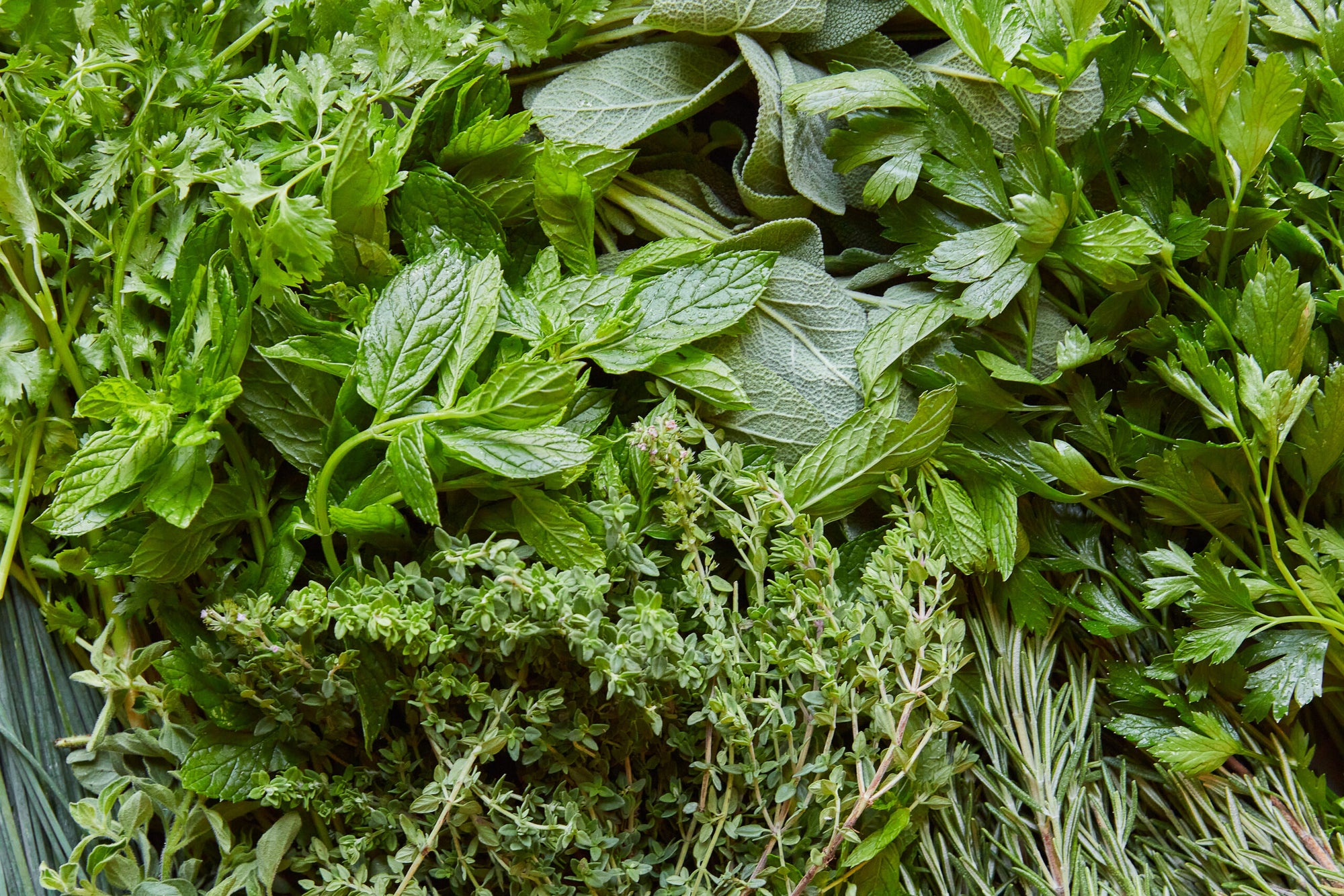
Not every plant likes living inside, but many herbs love it. Basil is the king of the kitchen garden because it loves the heat. I once grew a basil plant so big in a simple pasta sauce jar that I had to make pesto every single week just to keep it from hitting the top of the window frame. It needs lots of light, so put it in your brightest spot.
Mint is another great choice because it is almost impossible to kill. In fact, mint grows so fast that it can take over a whole garden bed outside. Keeping it in a small pot in the kitchen is actually the best way to handle it. You can snip a few leaves for tea or a cool drink whenever you like. It does not need as much direct sun as basil, so it is okay if your kitchen is a bit shaded.
Chives are perfect for beginners because they grow like grass. If you cut them down to an inch above the soil, they just grow right back. They add a nice mild onion taste to eggs or potatoes. I find that a small four-inch pot is plenty of space for a bunch of chives to last a whole season.
Parsley and cilantro are also good, but they can be a little more picky about water. They like their soil to stay damp but not soaked. If you forget to water them for a few days, they might droop, but a quick drink usually wakes them right back up. These green plants make any kitchen look bright and alive.
How much light do kitchen herbs really need?
Light is the food for your plants. Most herbs you can grow in a kitchen come from sunny places like the Mediterranean. This means they want a lot of sun to grow strong and taste good. A south-facing window is usually the best spot in the house. It gets the most hours of direct light throughout the day.
If your kitchen window faces north, your plants might struggle. They will start to look "leggy," which means they grow tall and thin with very few leaves. They are reaching for the light. If you see this happening, you might need to move them or add a small LED grow light. These lights are cheap now and can stick right under your kitchen cabinets.
In the winter, the sun is lower and weaker. You might notice your herbs growing slower in December than they do in June. This is normal. Just make sure to keep the leaves from touching the cold glass of the window. That cold can bite the leaves and turn them brown. I usually move my pots a few inches back from the glass when the frost starts to show outside.
If you find your kitchen is too dark, check out these Balcony Garden Ideas for Small Outdoor Spaces to see if you have a sunny spot just outside your door. Sometimes a small shelf right outside the kitchen window is all you need. If you stay inside, just remember that six hours of light is the magic number for most herbs.
Picking the right pots and soil
You can grow herbs in almost anything, but the pot must have a hole in the bottom. This is the most important rule. Without a hole, water stays at the bottom and rots the roots. I learned this the hard way with a cute ceramic owl pot that had no drainage. My rosemary turned black and died in two weeks because the roots were basically drowning in a swamp.
Terra cotta pots are great because they breathe. They let air reach the roots and help extra water dry out. If you use plastic pots, they hold moisture longer, which is good if you tend to forget to water. Just make sure you have a saucer underneath so you do not ruin your kitchen counters with water stains.
When it comes to soil, do not just grab dirt from the yard. Outdoor dirt is too heavy and might have bugs in it. Buy a small bag of potting mix. This soil is made to stay fluffy so the roots can move easily. It also has the right mix of food to help your herbs grow fast. A Container garden like this needs fresh soil every year to keep the plants healthy.
Size matters too. A pot that is six inches wide is a good start for one herb plant. If the pot is too small, the plant will get root-bound and stop growing. If it is too big, the soil stays wet for too long. Match the pot to the size of the plant you bought. You can always move it to a bigger home later as it grows.
How to water herbs in the kitchen
Watering is where most people make mistakes. It is tempting to give your plants a little splash every day, but that is actually bad for them. Most herbs like to have their soil dry out a little bit between drinks. If the soil is always wet, the plant cannot breathe. I use the "finger test" every morning.
Stick your finger one inch into the soil. If it feels dry, give it a good soak until water comes out the bottom holes. If it still feels damp, leave it alone for another day. Simple as that. Rosemary and thyme like to stay quite dry, while mint and parsley like a bit more moisture. You will soon learn what each plant likes by how the leaves look.
The air inside a kitchen can be very dry, especially when the heater is on in the winter. Some herbs might like a little mist from a spray bottle now and then. This mimics the damp air they would feel outside. Just do not overdo it. If you see mold growing on the soil, you are watering too much or the air is not moving enough.
For more tips on keeping your indoor greens happy, check out this anchor text about the topic to learn about plant care. Every home is a bit different. Your kitchen might be more humid than mine if you boil a lot of water for pasta or tea. Pay attention to how fast the soil dries out in your specific room.
Feeding and pruning your herbs
Since your herbs are in pots, they only have a small amount of food in the soil. After a few months, they will use it all up. You can use a liquid plant food once a month during the spring and summer. Make sure it is a food meant for edible plants. You are going to eat these leaves, so you want to keep things safe and natural.
Pruning is just a fancy word for cutting your plants. For herbs, the more you eat, the more they grow. If you never cut your basil, it will grow one tall stem and then try to make flowers. Once it makes flowers, the leaves do not taste as good. By snipping the tops off, you force the plant to grow two new stems from the sides. This makes the plant bushier and gives you way more leaves.
Always use sharp scissors or snips. If you tear the stems with your fingers, it can hurt the plant and leave it open to disease. Cut just above a spot where two leaves are growing out. In a week or two, you will see two new branches starting right there. It feels like magic the first time you see it happen.
Don't be afraid to use your herbs! I see many people who are scared to "hurt" the plant by picking leaves. These plants are tough. As long as you leave about one-third of the plant alone, it will keep coming back. I usually have three pots of cilantro going at once so I can rotate which one I am picking from. This gives the others time to grow back.
Dealing with common kitchen garden problems
Even the best indoor gardeners face some trouble. Small bugs called gnats sometimes fly around the pots. These usually show up if the soil is too wet. If you see them, let the soil dry out more between waterings. You can also put a little sand on top of the soil to stop them from laying eggs. It is a simple fix that works well.
Another issue is white dust on the leaves. This is often powdery mildew. It happens when the air is too still. You can fix this by opening a window for a few minutes a day or using a small fan to move the air. Herbs love a fresh breeze just like we do. If a leaf looks really sick or yellow, just snip it off and throw it away so the rest of the plant stays clean.
If you want to learn more about the basics of growing things, you can read about Gardening to see how plants work. Growing herbs is the best way to start because the results are so fast. You can plant a seed today and see a green sprout in less than ten days. That is very exciting for kids and adults too.
Sometimes a plant just dies for no clear reason. Do not feel bad! Even experts lose a plant now and then. Maybe that specific rosemary was just weak, or maybe it got a chill from the window. The best thing to do is dump the old soil, wash the pot, and try again with a new plant. Every mistake teaches you something new about your kitchen's light and air.
Making your kitchen garden look great
Your herb garden can be a beautiful part of your kitchen decor. You do not have to use boring plastic pots. I like to use old tea tins or pretty mugs, as long as I can drill a hole in the bottom. Some people use a hanging rail across the window with small pots hanging from hooks. This keeps the counter clear for cooking.
Grouping pots together looks nice and also helps the plants stay humid. You can put three or four different herbs in a long wooden box. Just make sure they all like the same amount of water. For example, put rosemary, thyme, and oregano together because they all like dry soil. Keep the mint in its own pot because it is a thirsty plant and will hog all the water.
Labeling your herbs is a fun project too. You can use painted stones, wooden sticks, or even old spoons with the names written on them. This is very helpful if you are growing different types of the same herb, like Thai basil and Italian basil. They look similar but taste very different when you put them in a dish.
Think about the colors too. Purple basil looks amazing next to the bright green of flat-leaf parsley. Chives have beautiful purple flowers if you let them grow long enough. Your kitchen will smell like a fresh garden every time you brush past the leaves. It is a wonderful way to bring nature into your daily life.
What is the first herb you want to try growing on your windowsill? Pick up one small pot this weekend and see how much better your next meal tastes with fresh leaves you grew yourself.


Comments
Post a Comment