How to Grow Tomatoes at Home in Small Spaces
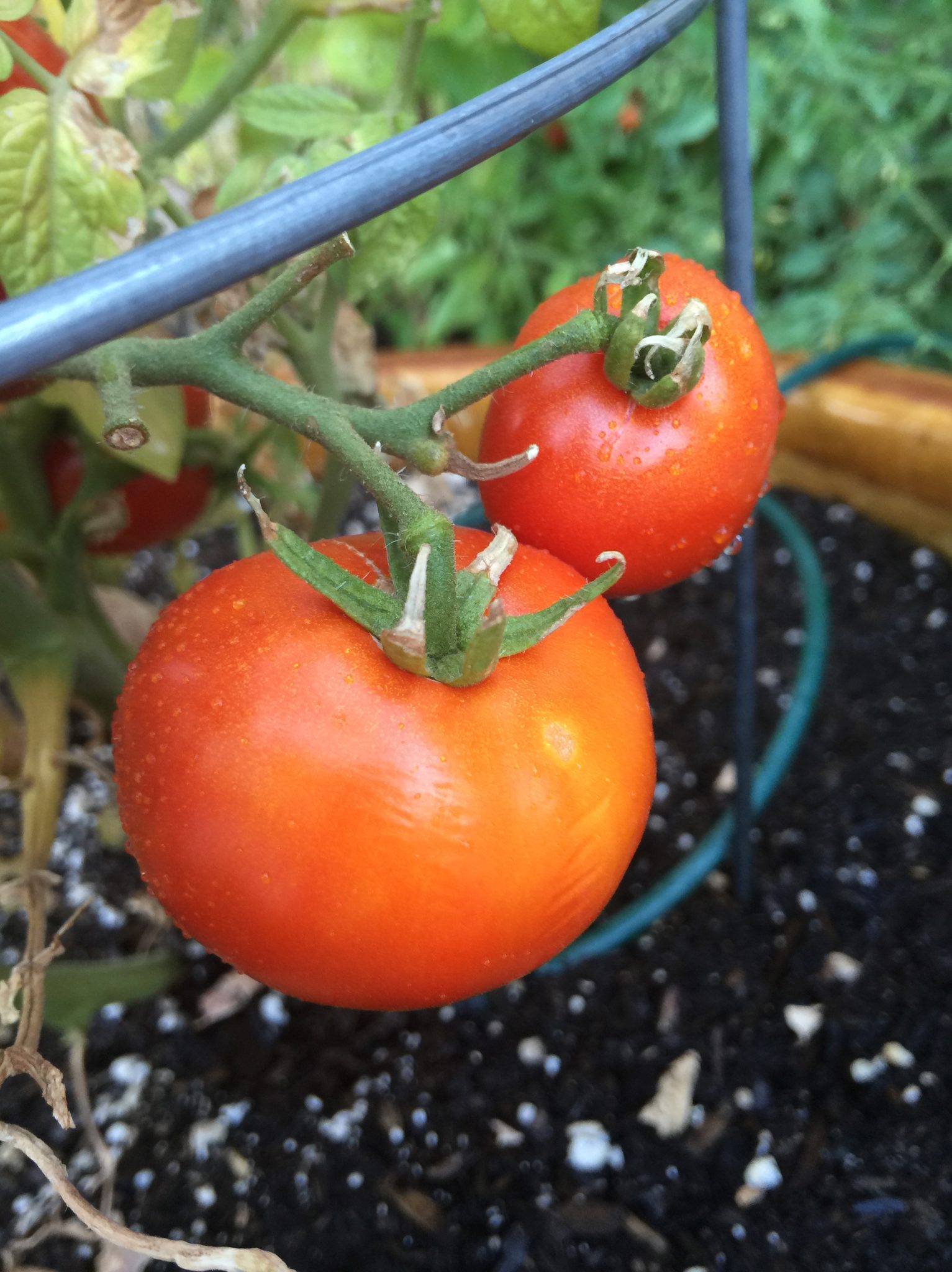
Growing tomatoes at home is the fastest way to get true summer flavor right outside your back door. You do not need a big farm or a deep backyard to pull this off. A sunny spot on your porch and a few deep buckets can give you fresh red fruit all through July and August.
The secret comes down to picking the right plant type for your space, using plenty of water, and feeding the soil every two weeks. If you start your plants in late April or early May after the last spring frost, you will be picking your first sweet cherry tomatoes by early July. It takes just a little daily care to get a massive yield.
Choose the Right Tomato Type for Your Space
Before you buy any seeds or young plants, check the plant tag for two words: bush or vine. Bush types stop growing at about three feet tall. They set all their fruit over a few weeks, which makes them great if you want a big batch all at once. Vine types keep growing taller and taller until the cold weather hits in October. They will need tall stakes, but they give you a steady handful of fruit every single day.
If you only have a small space, look for cherry tomato varieties like Sweet 100 or Early Girl for full-sized fruit. Last summer, I set one pot of Sweet 100 on a tiny wooden bench. By July, it gave me twenty sweet little tomatoes every morning for my breakfast salads. Small cherry varieties tend to handle heat waves much better than massive beefsteak types.
You can also check out our simple guide on Easy Vegetables to Grow in Pots for Your First Harvest if you want to pair your tomato plants with fresh green bush beans or radishes in the same setup.

Set Up Pots with Plenty of Room for Roots
Tomatoes love room to spread their toes. If you put a tomato plant in a small pot, the soil dries out in two hours under the hot June sun, and the roots cook. Use a pot that holds at least five gallons of dirt for each plant. A five-gallon plastic bucket from the hardware store works great as long as you drill six big holes in the bottom for drainage.
Fill your container with fresh potting soil mix rather than heavy dirt from your yard. Yard dirt packs down tight like brick when you water it, which starves the roots of air. Add a handful of slow-release plant food into the dirt right as you fill the pot. This gives your young plant a steady diet from day one.
If you like growing your food in containers, reading about the basics of a Container garden can give you extra ideas on how to arrange your pots to get the best sun exposure throughout the season.
How to Plant Tomatoes Deep for Strong Roots
Here is a neat trick that changes everything. Do not plant your tomato at the same depth it sat in its plastic nursery cup. Instead, pinch off the bottom leaves, dig a deep hole, and bury two-thirds of the stem under the dirt. Only the top cluster of green leaves should stick out above the soil line.
Roots will sprout all along that buried stem within ten days. A bigger root system means your plant can drink more water when July heat hits ninety degrees. It also keeps the plant anchored tight so summer winds do not blow it over.
Press the dirt down firmly around the stem, but do not stomp it tight. Water the pot slowly until you see water run out of the bottom holes. Put your stake or wire cage into the pot right now. If you wait until June to push a stake into the dirt, you will snap the strong roots you just worked so hard to build.
Watering and Feeding for Red Sweet Fruit
Tomatoes are thirsty plants, but they hate wet feet. The key is keeping the dirt evenly damp like a wrung-out sponge. In May, watering twice a week is usually enough. By mid-July, when the plant is five feet tall and full of leaf growth, you will need to water it deeply every single morning.
Never let the pot dry out completely until the leaves droop, and then soak it. That swing from bone-dry to soaking wet causes tomato skins to split wide open right as they turn red. It also causes blossom end rot, which turns the bottom of your green fruit black and leathery. Pour the water right on the soil near the stem, not on the leaves. Wet leaves invite yellow spot fungal diseases that can destroy your plant by August.
Feed your plants liquid tomato food once every two weeks after the first small yellow flowers open up. Look for a plant food that is low in nitrogen and high in potassium. High nitrogen gives you a huge green bush with zero red fruit, while potassium builds big sweet tomatoes.
Learn more about how to grow tomatoes at home by keeping a simple plant diary. Write down when you water and when the first yellow flowers show up so you can plan even better next spring.
Common Tomato Problems and How to Fix Them
Even smart growers run into small troubles during the long summer months. Yellow leaves near the bottom of the plant are normal in late July as the top branches block out the sun. Just snip those lower leaves off with sharp clean scissors. But if the top leaves turn pale yellow with green veins in June, your plant needs a quick drink of liquid plant food.
Keep a close eye out for big green worms called hornworms in July. They eat whole branches overnight. Look for tiny dark green droppings on the top leaves. If you see them, look straight up to find the green worm and pick it off by hand. You can drop it into a cup of soapy water to protect your crop without spraying harsh store chemicals.
If your local temperature stays over ninety-five degrees for three days straight, your tomato plant might drop its yellow flowers without making fruit. Do not panic. Keep watering the plant each morning. As soon as the brutal heat wave breaks in August, the plant will push out fresh new flowers that set fruit quickly.
Harvesting Your Fresh Home Grown Tomatoes
Leave your tomatoes on the vine as long as you can. A tomato that turns fully red on the vine has far more natural sugar than one picked green and left on a warm kitchen counter. Gently twist the fruit until it snaps off the stem, or use a small pair of shears to cut the short stem above the green cap.
If frost is predicted for late October and you still have green fruit on the vine, pick them all before the hard freeze hits. Put those green tomatoes in a single layer inside a cardboard shoe box with a sheet of newspaper over them. Store the box in a cool closet, and check it once a week. Most of those green tomatoes will slowly turn red and soft over the next month, giving you fresh taste well into November.
Never put your fresh red tomatoes in the refrigerator. Cold air breaks down the fruit sugars and turns the red flesh mealy and flavorless within twenty-four hours. Keep them right on your kitchen counter at room temperature and eat them within four days of picking for the best taste you can get.


Comments
Post a Comment