Indoor Plants That Are Hard to Kill for Your Home

Indoor plants that are hard to kill can save your living room from looking like a plant graveyard. You buy a pretty green pot in spring, water it when you remember, and three weeks later the leaves turn brown and drop. It happens to almost everyone who starts growing green friends inside.
The trick is picking toughness over looks. Some green friends can go weeks without water, survive low light in a dark hallway, and forgive you when you forget them during a busy week. You do not need a green thumb to keep these six picks alive all year long.
Cast Iron Plant Needs Almost Zero Attention
People call this one the cast iron plant for a very good reason. It got its name back in Victorian times because it survived dark rooms full of coal dust and cold air. If you have a dark corner near a television where nothing else grows, this is your best pick.
You only need to water it when the top two inches of dirt feel bone dry. In winter, that might mean watering it just once every three or four weeks. Last year, I left mine in a hallway with no big windows for two months during a busy work season. It did not drop a single leaf or complain at all.
Give it standard potting soil and keep it out of harsh direct sun. Direct sun burns the wide leaves and turns them yellow. If your leaves are already changing color, check out our guide on 6 Simple Signs of Why Plant Leaves Turn Yellow to fix the problem fast.
Snake Plant Thrives on Neglect and Low Light
Snake plants store water in their thick, tall leaves. They act like small sponges right in your room. That means if you go away on a vacation for two weeks in July, your plant will look just fine when you get back.
Put your snake plant in a room with bright light, or stick it in a dim office corner. It does not care much either way. The main way people accidentally destroy this one is by giving it too much love. Too much water causes the roots to rot underwater in the pot bottom.
Water it only when the soil feels completely dry all the way down. In spring and summer, a good soak once every two weeks works great. In December, you can drop that down to once a month. Make sure your pot has a small hole at the bottom so extra water runs out into a tray.
ZZ Plant Survives Dark Rooms and Missed Waterings
The ZZ plant has shiny green leaves that look like someone polished them with wax. It looks delicate, but underground it holds secret water bulb roots called rhizomes. These round bulbs store water for hard times.
This pick can sit in a room with no direct sun at all. It handles fluorescent lights in small apartments really well. A friend of mine kept one on a bathroom shelf with just a small frosted window, and it grew three new stems in six months.
Here is a simple rule for the ZZ plant: when in doubt, skip the water. If you water it once every three weeks in the summer, it stays happy. If you forget for six weeks in autumn, it just waits for you patiently. Use a simple potting mix that drains fast so the roots never sit in wet mud.
Pothos Vines Grow Fast in Any Light
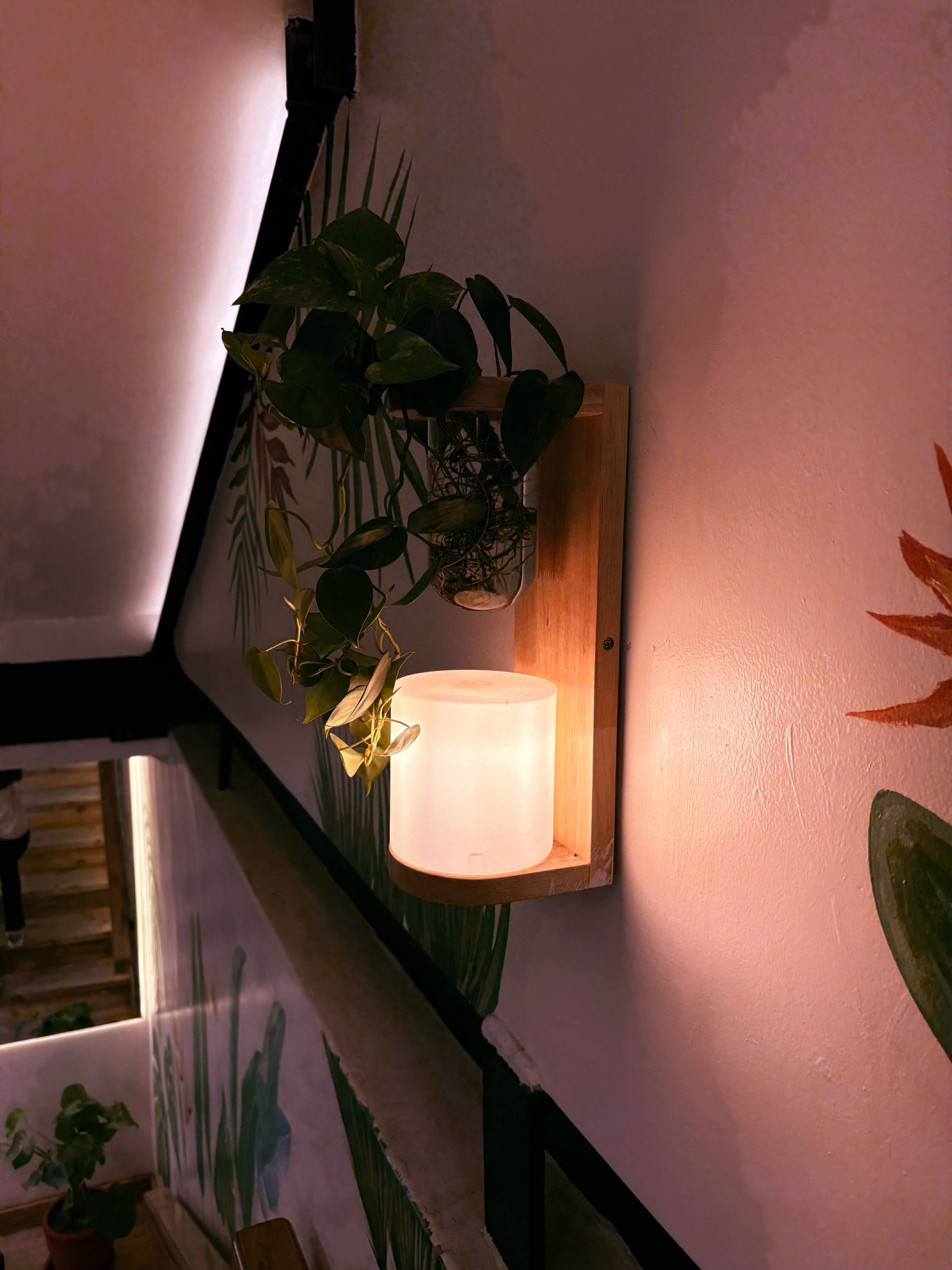
Pothos is one of the most forgiving vine choices you can bring into your house. Its heart-shaped leaves trail down over book shelves or hang neatly in a window corner. It gives you quick signs when it needs a drink, which makes learning very easy for beginners.
When a pothos needs water, the leaves drop slightly and look soft. Give it a cup of water, and within four hours the stems stand up stiff and green again. It acts like a little green timer for your home watering schedule.
You can cut off a long stem in May, drop it into a glass of plain water, and see small white roots pop out in two weeks. It grows great in plain water or in a standard dirt pot. Trim the long vines once a year in spring to keep the plant full and thick.
ZZ Plant and Snake Plant Care Details Compared
Both of these options stay alive easily, but they have a few small differences in what they like inside your house.
- Snake Plant Light: Prefers indirect sun but handles low light well.
- ZZ Plant Light: Grows fine under artificial light or deep shade.
- Snake Plant Water: Soil must dry out completely between waterings.
- ZZ Plant Water: Tolerates dry dirt longer due to potato-like roots.
- Snake Plant Growth: Grows upright in tall stiff blades.
- ZZ Plant Growth: Spreads out slightly with arching stems.
Pothos Stem Propagation Steps
Making new pots from your main stem is easy and takes just a few simple steps during the warm summer months.
- Cut a stem six inches long right below a leaf node with sharp scissors.
- Pull off the bottom two leaves so the stem is bare at the base.
- Place the cut end into a clean jar of fresh water.
- Set the jar on a windowsill that gets soft morning light.
- Wait three weeks until roots grow two inches long, then plant in dirt.
Spider Plant Produces Easy New Baby Shoots
Spider plants are famous because they produce tiny baby plants on long thin stems. These small babies hang down like little green stars around the main pot. It gives you free new plants to give to your friends all year.
They prefer bright indirect light, like a spot near an east-facing window. If you put them in direct hot afternoon sun, the edges of the green leaves can turn brown and crisp. Keep them a few feet back from the glass during July heat waves.
Water your spider plant when the top inch of dirt feels dry to your finger touch. These plants like a pot that fits their roots tightly. You only need to move them to a bigger pot every two years in early spring when roots show at the bottom drainage holes.
What Are Indoor Plants That Are Hard to Kill for Dark Rooms?
If your apartment has small windows or big trees outside blocking the sky, light is your main problem. Most green things turn yellow and thin when light drops too low. But a few options adapt to dark spaces without dying off.
The cast iron plant, snake plant, and ZZ plant lead this list easily. They process low light very slowly, which means they grow at a calm pace. Because they grow slowly in dim rooms, they use far less water than plants sitting in bright sun.
Check the dirt depth with your index finger before you pour any water. If the soil feels damp or cool two inches down, walk away and check again next week. Overwatering in dark rooms is the main mistake people make because the dirt stays wet much longer. Learn more basic home plant steps on our main home gardening guide hub to keep your indoor garden strong.
Aloe Vera Delivers Healing Gel with Minimal Effort
Aloe vera is a fat succulent that stores water inside thick fleshy leaves. It loves sunny windowsills and dry room air. As a bonus, you can break off an outer leaf to use the cooling gel on minor kitchen skin burns during summer cooking.
Put your aloe vera in the sunniest window you have in your home. A south or west window works best for bright light. Because it comes from dry places, it hates soggy dirt around its roots. Use a sandy dirt mix made for cacti and succulents so water runs right through the bottom.
During spring and summer, water it thoroughly until water flows out the drain holes, then wait until the entire pot is dry. In winter, an aloe vera plant can go six to eight weeks without a single drop of water. If the leaves start looking flat or thin, that is your sign it wants a small drink.
Basic Tools You Need for Healthy Houseplants
You do not need to buy expensive gear to keep simple pots alive indoors. A few basic tools make routine plant care quick and clean.
- Plastic Watering Can: A long narrow spout reaches roots without splashing leaves.
- Drainage Trays: Catch extra water so your wooden furniture stays dry.
- Potting Soil Mix: Light soil with perlite lets roots breathe easily.
- Hand Pruning Shears: Sharp blades snip dead stems cleanly.
Simple Care Routine to Keep Pots Green All Year
Taking care of these options does not take hours of work every week. A simple check every Sunday morning takes less than five minutes and stops big problems before they start.
Start by checking the soil moisture with your finger instead of following a strict calendar schedule. Room heat changes with seasons. Radiators dry out dirt fast in January, while humid August days keep soil damp longer. Adjust your watering based on how the dirt actually feels.
Wipe the wide leaves with a damp cloth every two months. Dust builds up on indoor leaves and blocks sunlight from reaching the green surface. Cleaning the leaves helps the plant make food efficiently, even in low light. You can read more about standard Container garden methods to pick good pots for long-term growth.
Feed your pots with a mild liquid fertilizer once in April and once in July. Never feed them in winter when growth slows down naturally. With right light, fast draining pots, and a gentle watering touch, your room will stay full of fresh green life all year long. Pick one tough plant today and place it on your desk to start.


Comments
Post a Comment