How to grow tomatoes at home in pots or garden beds
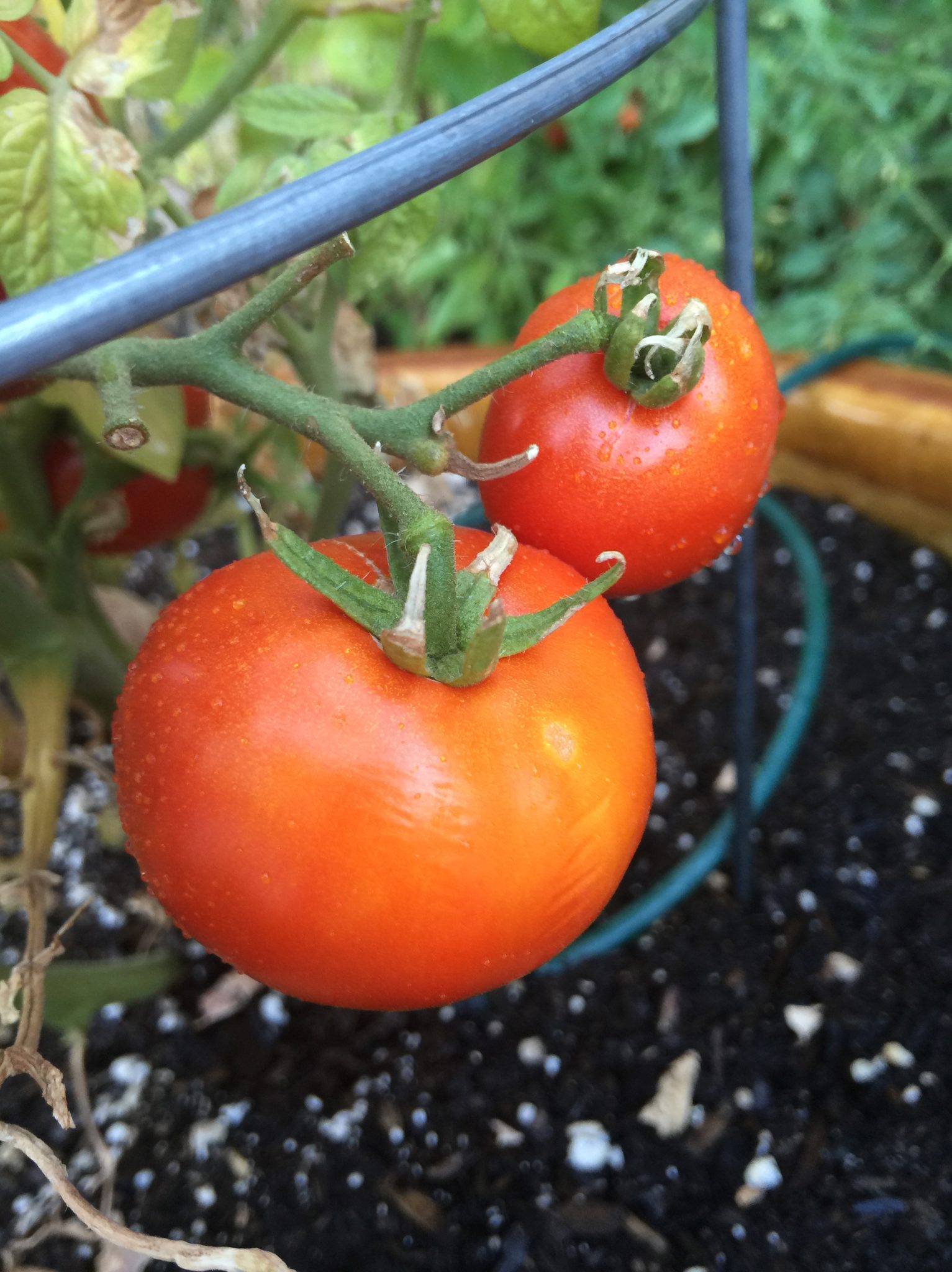
Growing tomatoes at home is the best way to get a real taste of summer right from your own space. You do not need a farm to pick a warm, red fruit that tastes like sunshine and sugar. Most people start with a small plant from the store or a packet of seeds and hope for the best.
The secret to a big harvest is giving the plant exactly what it wants: heat, deep water, and a bit of support. If you have a sunny spot on a balcony or a patch of dirt in the yard, you can grow enough food for salads all season long. It takes about three months from planting to eating, so starting at the right time is the first big step.
When is the best time to start your tomato plants?
Tomatoes love the heat and they hate the cold. If you put them outside when the ground is still chilly, they will just sit there and turn purple. I once put my plants out in early April because the sun felt warm, but the night air was too cold. They stopped growing for three weeks and almost died.
Wait until the nights are steady at 50 degrees or higher. In most places, this means late May or early June is the sweet spot. If you want to start early, you can grow seeds on a sunny windowsill indoors about six weeks before the last frost. This gives the roots a head start so the plant is strong when it finally hits the outdoor air.
Buying a "starts" or a young plant from a nursery is also a smart move. Look for a plant that has a thick green stem and no flowers yet. You want the plant to spend its energy growing roots first, not making fruit while it is still in a tiny plastic cup. Check the bottom of the pot to make sure roots are not poking out in a big tangled mess.

Pick the right type of tomato for your space
There are two main kinds of tomatoes and you need to know which is which. One is called "determinate" and the other is "indeterminate." These are big words, but the difference is simple. Determinate plants grow to a certain size, usually three or four feet, and then they stop. All the fruit comes at once, which is great if you want to make a big batch of sauce.
Indeterminate plants are like vines that never want to stop growing. They will keep getting taller and taller until the frost kills them in the fall. These are the ones I like for snacking because they give you a few tomatoes every day for months. If you are growing on a balcony, a determinate "bush" type is much easier to manage in a small area.
Size matters for the fruit too. Cherry tomatoes are the easiest for beginners because they ripen fast and do not crack as much. Big beefsteak tomatoes take a long time to turn red. If you live in a place where summer ends quickly, go for the smaller types. You can also look at herbs you can grow in a kitchen for fresh flavors to go along with your tomatoes when you cook.
Setting up your pots or garden bed
Tomatoes need a lot of room for their roots to spread out. If you use a pot, it needs to be big. A five gallon bucket is the smallest size I would use for one large plant. Make sure there are holes in the bottom so the water can run out. If the roots sit in soggy mud, they will rot and the plant will wilt.
Use good potting soil from a bag rather than dirt from the yard if you are using containers. Yard dirt is too heavy and can have bugs or diseases in it. If you are planting in the ground, mix in some old leaves or rotted food scraps. This makes the soil dark and rich. You can learn more about how this works on the Compost page on Wikipedia.
One trick I always use is planting the stem deep. Most plants die if you bury the stem, but tomatoes are special. They will grow new roots all along the part of the stem that is under the dirt. I usually pull off the bottom few leaves and bury the plant so only the top half is sticking out. This makes the root system huge and strong so the plant can handle wind and heat.
How to water and feed your plants
Watering is the part where most people make mistakes. You cannot just give them a little splash every day. Tomatoes like a deep drink that goes way down into the soil. In the heat of July, a big plant might need a whole gallon of water every morning. If the leaves look like they are drooping in the afternoon, they are thirsty.
Try to keep the water off the leaves. Getting the leaves wet can lead to spots and fungus that make the plant sick. Aim the hose or the watering can right at the dirt near the base of the stem. It is better to water deeply once a day than to do a tiny bit three times a day. If the soil gets very dry and then very wet, the tomatoes might pop open or crack.
Feeding your plants is also vital because they are hungry growers. After the plant has been in the ground for a month, give it some vegetable food. Look for a bag that says "Tomato Food" at the store. Follow the directions on the bag, which usually means putting a spoonful of grains around the plant every few weeks. This helps the plant make flowers, and flowers turn into fruit.
Support your plants so they do not fall over
A healthy tomato plant gets heavy very fast. One day it is a small green bush, and the next it is falling over under its own weight. You need to give it something to lean on. Most people use those wire cages you see at the store. They work okay for small plants, but big ones will grow right over the top of them.
I like using tall wooden stakes or heavy metal poles. You can tie the main stem to the pole with a piece of soft string or an old t-shirt strip. Do not tie it too tight, or you will choke the plant as the stem gets thicker. Check the ties every week to make sure the plant is still held up well. If a branch full of green tomatoes touches the ground, slugs and bugs will eat the fruit before you do.
Pruning is another way to keep the plant under control. Look for the tiny little stems growing in the "V" shape between a leaf and the main trunk. These are called suckers. If you pinch them off with your fingers, the plant stays thinner and puts more energy into making the tomatoes big. I usually leave a few suckers at the bottom but clear out the ones near the top.
Dealing with common tomato problems
Bugs love tomatoes almost as much as we do. You might see big green caterpillars that look like they have a horn on their tail. These are called hornworms, and they can eat every leaf on your plant in two days. The best way to get rid of them is to just pick them off with your hands and drop them in soapy water. They are hard to see because they are the same color as the leaves.
If you see dark spots on the bottom of your fruit, that is called blossom end rot. It usually happens because the plant is not getting enough calcium or the watering is not steady. Adding some crushed eggshells to the soil when you plant can help prevent this. Also, keep the soil damp but not soaked to keep the calcium moving through the plant correctly.
Sometimes the leaves at the bottom of the plant turn yellow or brown. This is normal as the plant gets older, as long as the top is still green and growing. Just snip off the dead leaves to keep the air moving through the plant. Good air flow helps prevent many of the common sicknesses that tomatoes get in humid weather. You can find more tips on our tomato growing advice page to help your garden thrive.
Harvesting your home grown tomatoes
The best moment is when you finally see a splash of color. A tomato is ready to pick when it is fully colored all the way to the top. It should feel slightly soft when you give it a very gentle squeeze. If birds or squirrels are trying to eat your fruit, you can pick them when they are mostly orange and let them finish turning red on your kitchen counter.
Never put your fresh tomatoes in the fridge. The cold kills the flavor and makes the texture feel like wet sand. Keep them in a bowl on the table where they look pretty. They will stay fresh for a few days after you pick them. If you have too many to eat, you can freeze them whole in a bag. When you thaw them out, the skins will slip right off, and they are perfect for making soup.
Growing your own food is a great way to learn about nature. You start to notice the rain and the sun much more when you have a plant to care for. It takes patience to wait for that first red fruit, but the taste is worth every minute of work. If you want to try other things in your space, look into a Container garden for more ideas on how to use pots.
Are you going to try growing a big beefsteak or a sweet cherry tomato this year?


Comments
Post a Comment